
Conservation Programs
Direct community-led action protecting Kenya's most vital wildlife dispersal areas through sustainable innovation.
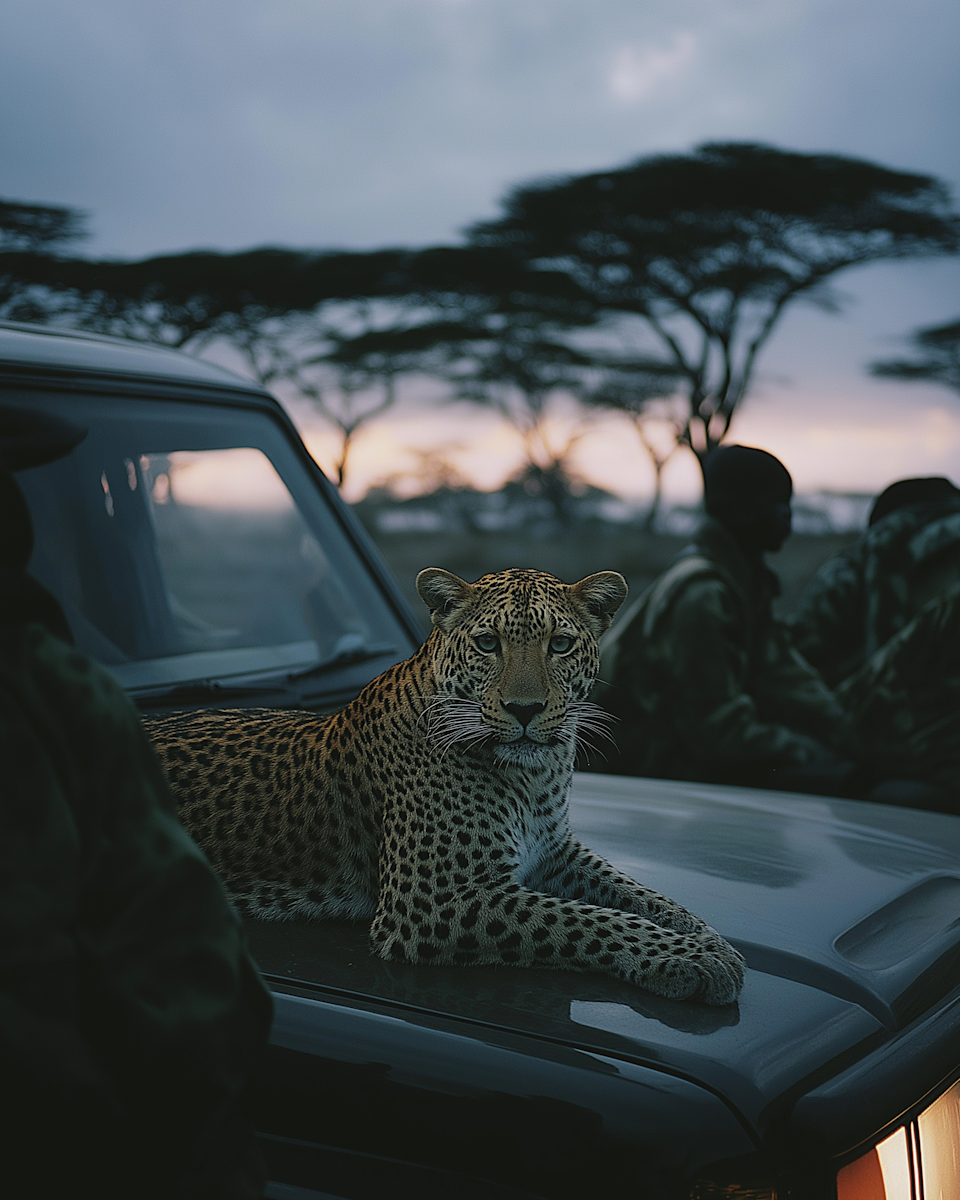
TWF education center
THE WILDLIFE FOUNDATION CENTRE FOR CONSERVATION EDUCATION, RESEARCH AND DEVELOPMENT
The Wildlife Foundation Centre for Conservation Education, Research and Development seeks to enhance the level of participation and understanding of both local and international institutions in conservation and in addressing increasing pressure on biological diversity as a result of climate change and other human-related causes. This will be accomplished by organizing short trainings, conservation camps, tailor-made research projects, practical field experiences, and indigenous knowledge education programs where students will gain practical skills in conservation and wildlife management.
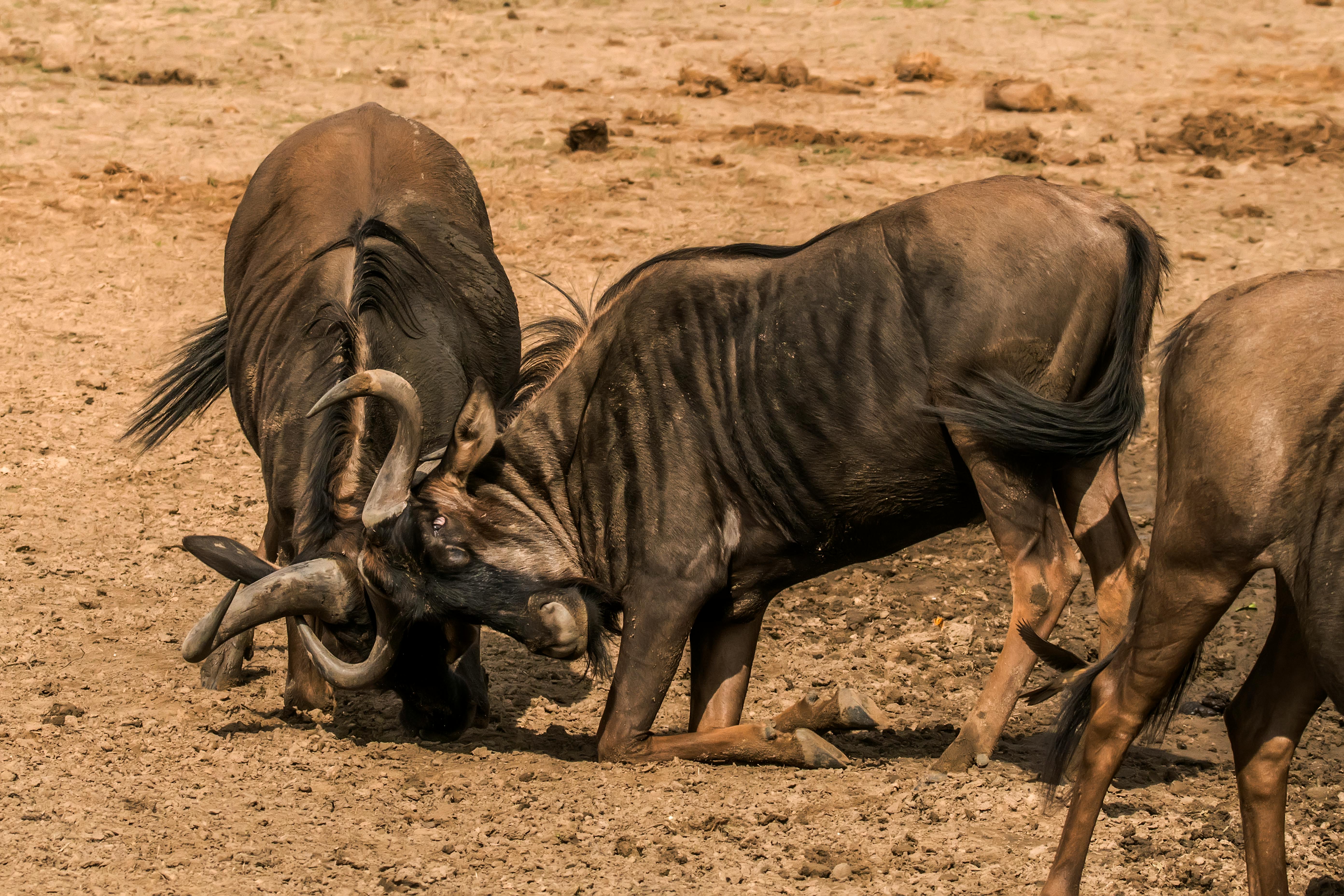
Community Rangers
These are local individuals trained to protect wildlife and reduce conflict with nearby communities. Their roles include:
- Monitoring wildlife movements
- Assisting in early warning systems
- Educating communities on safe practices
- Mediating between wildlife conservation authorities and local residents
- Supporting non-lethal conflict solutions
Community Rangers are essential because:
- They have local knowledge of landscapes and wildlife behavior.
- They are trusted by the community.
- They help reduce poaching and support coexistence strategies.
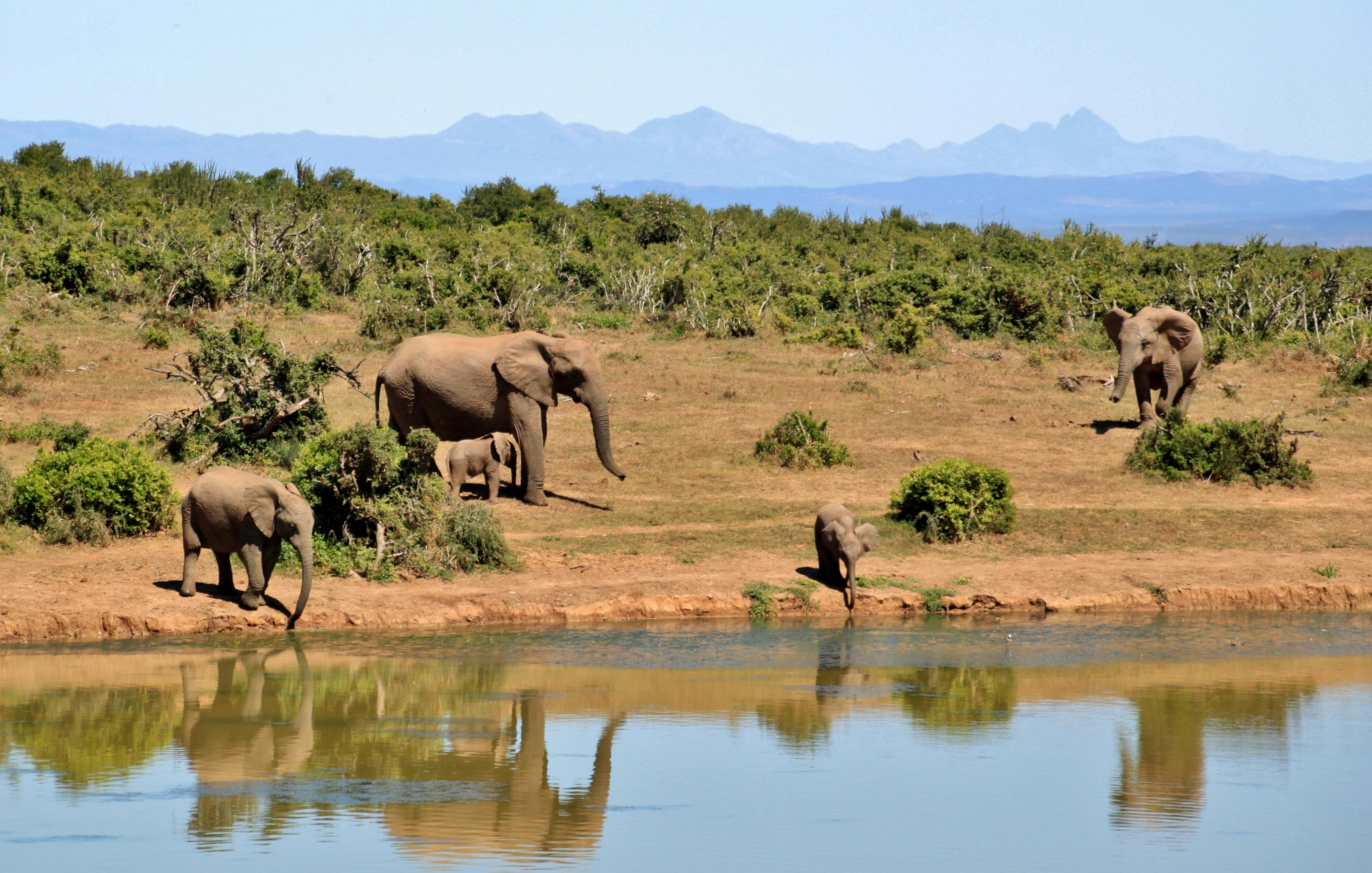
Payment For Ecosystem services
The Wildlife Foundation (TWF) operates a Land Lease Conservation Program, an innovative approach to securing wildlife corridors and dispersal areas while ensuring economic benefits for local communities. This program is primarily focused on protecting critical habitats around Nairobi National Park and other key conservation areas in Kenya.
By leasing land from Maasai landowners, TWF ensures that these lands remain open for wildlife movement, preventing habitat fragmentation caused by fencing, agriculture, or human settlements. In return, landowners receive financial compensation, creating a conservation model that benefits both wildlife and local communities.
Support Our Field Work
Every contribution goes directly to the wildlife dispersal areas and the communities who protect them.