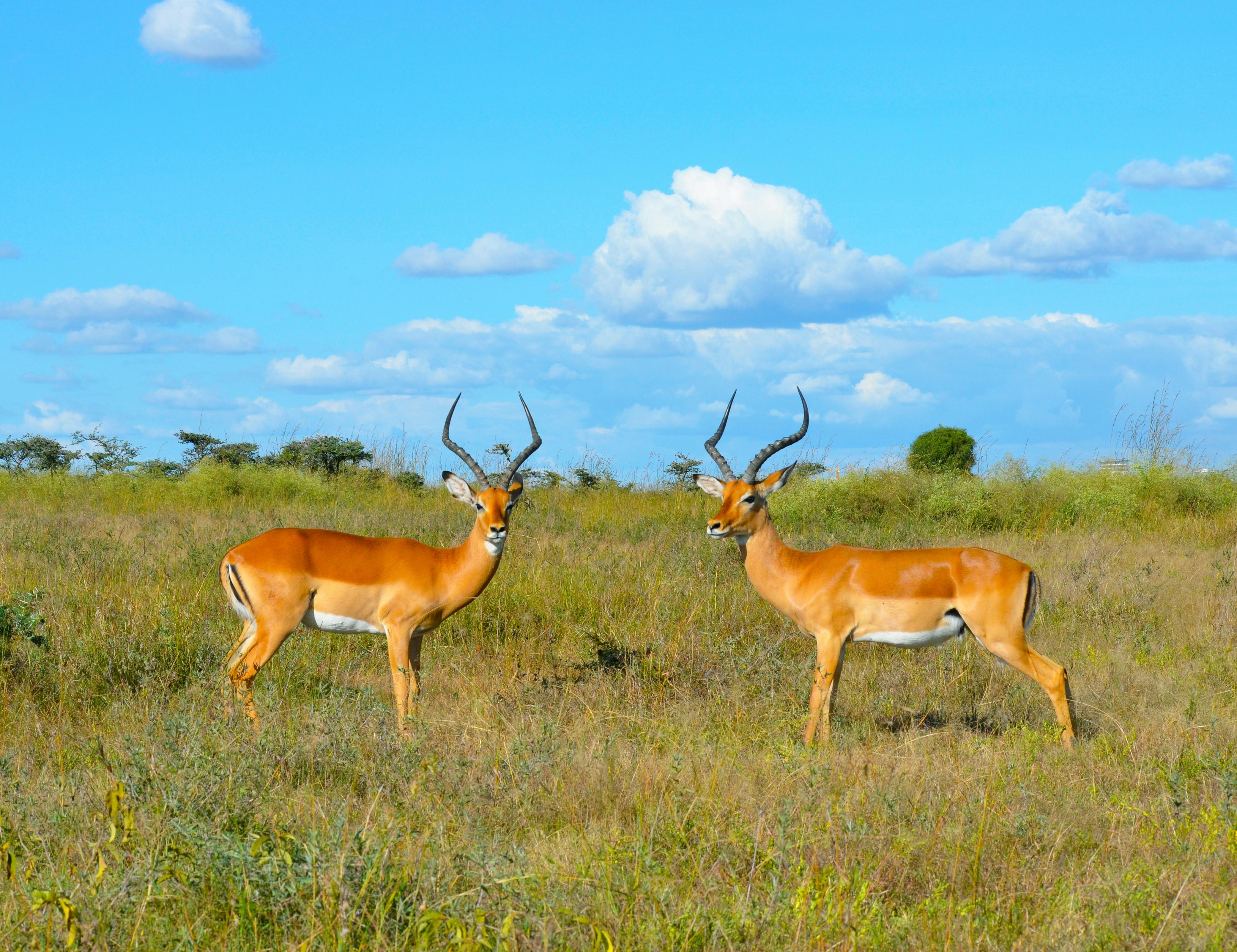
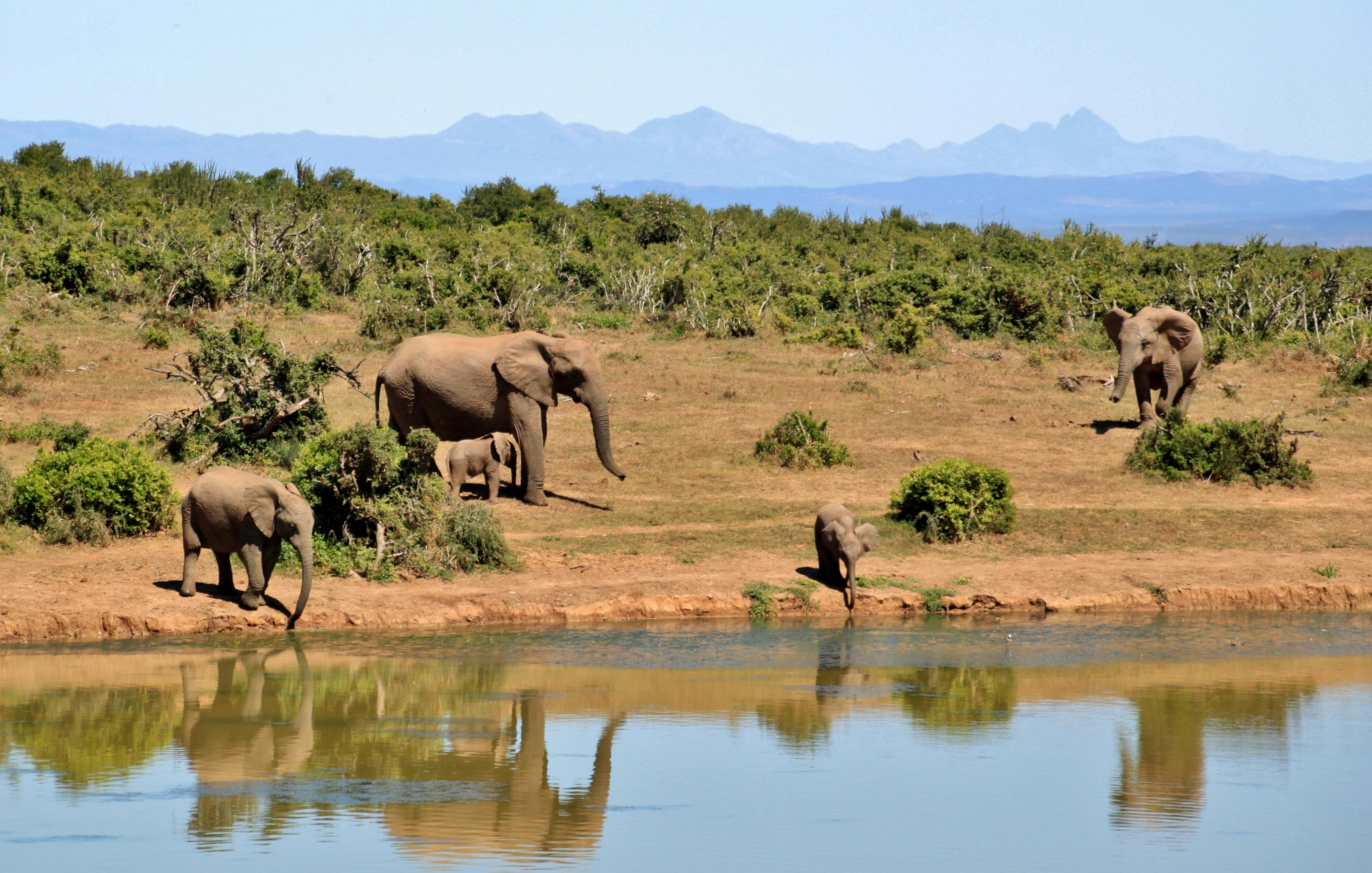
Nairobi National Park

The Wildlife Foundation

"Harmonizing human-wildlife coexistence since 2000."

Our Mission

Supporting conservation, biodiversity sustainability and protecting wildlife dispersal areas through benefit sharing with communities.

Our Vision

Conserving wildlife and natural habitats through community engagement and sustainable practices.

Our DNA

Our Core Values

B
B

Benefit Sharing

Ensuring local pastoral communities directly gain from wildlife protection through lease payments and employment.
I
I

Innovation

Leveraging low-cost green energy and modern technologies, like Lion Lights, to solve age-old conservation challenges.
I
I

Integrity

Maintaining radical transparency in our conservation efforts and financial stewardship to build lasting trust with our global partners.
C
C

Community Empowerment

Fostering local leadership and educational opportunities that turn indigenous land-owners into the primary guardians of biodiversity.

Community Impact

The Wildlife Foundation (TWF) empowers local Maasai communities by bridging the gap between conservation and sustainable livelihoods. Their impact is centered on benefit sharing, ensuring that protecting wildlife provides tangible economic advantages to those living alongside it....

Read the Full Story
Maasai Community

See Our Work in Action

From tracking lion movements to beadwork initiatives, our visual stories capture the heartbeat of human-wildlife coexistence in Kenya.

Visit Our YouTube Channel
What We Do

Our Conservation Programs

Swipe
Explore
Payment For Ecosystem services
land lease
Naretunoi

Payment For Ecosystem services

The Wildlife Foundation (TWF) operates a Land Lease Conservation Program, an innovative approach to securing wildlife corridors and dispersal areas while ensuring economic benefits for local communities. This program is primarily focused on protecting critical habitats around Nairobi National Park and other key conservation areas in Kenya.By leasing land from Maasai landowners, TWF ensures that these lands remain open for wildlife movement, preventing habitat fragmentation caused by fencing, agriculture, or human settlements. In return, landowners receive financial compensation, creating a conservation model that benefits both wildlife and local communities.
Learn More
Community Rangers
Human Wildlife Conflict
Naretunoi

Community Rangers

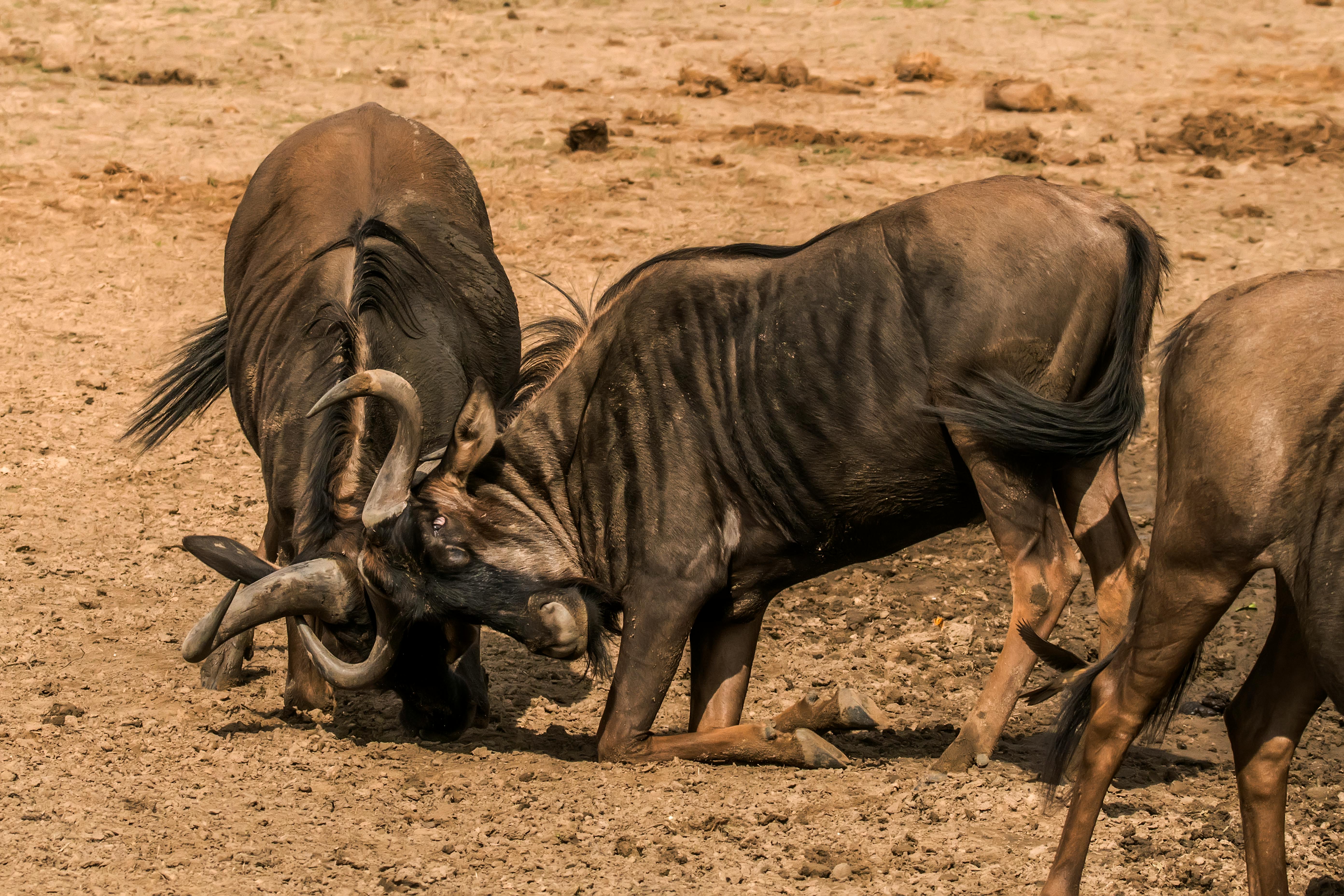
These are local individuals trained to protect wildlife and reduce conflict with nearby communities. Their roles include:Monitoring wildlife movementsAssisting in early warning systemsEducating communities on safe practicesMediating between wildlife conservation authorities and local residentsSupporting non-lethal conflict solutionsCommunity Rangers are essential because:They have local knowledge of landscapes and wildlife behavior.They are trusted by the community.They help reduce poaching and support coexistence strategies.
Learn More
TWF education center
community
Naretunoi

TWF education center

THE WILDLIFE FOUNDATION CENTRE FOR CONSERVATION EDUCATION, RESEARCH AND DEVELOPMENTThe Wildlife Foundation Centre for Conservation Education, Research and Development seeks to enhance the level of participation and understanding of both local and international institutions in conservation and in addressing increasing pressure on biological diversity as a result of climate change and other human-related causes. This will be accomplished by organizing short trainings, conservation camps, tailor-made research projects, practical field experiences, and indigenous knowledge education programs where students will gain practical skills in conservation and wildlife management.
Learn More
Latest Updates

News from the
Wild.

Strengthening Community Ties
Jan 14
news

Strengthening Community Ties

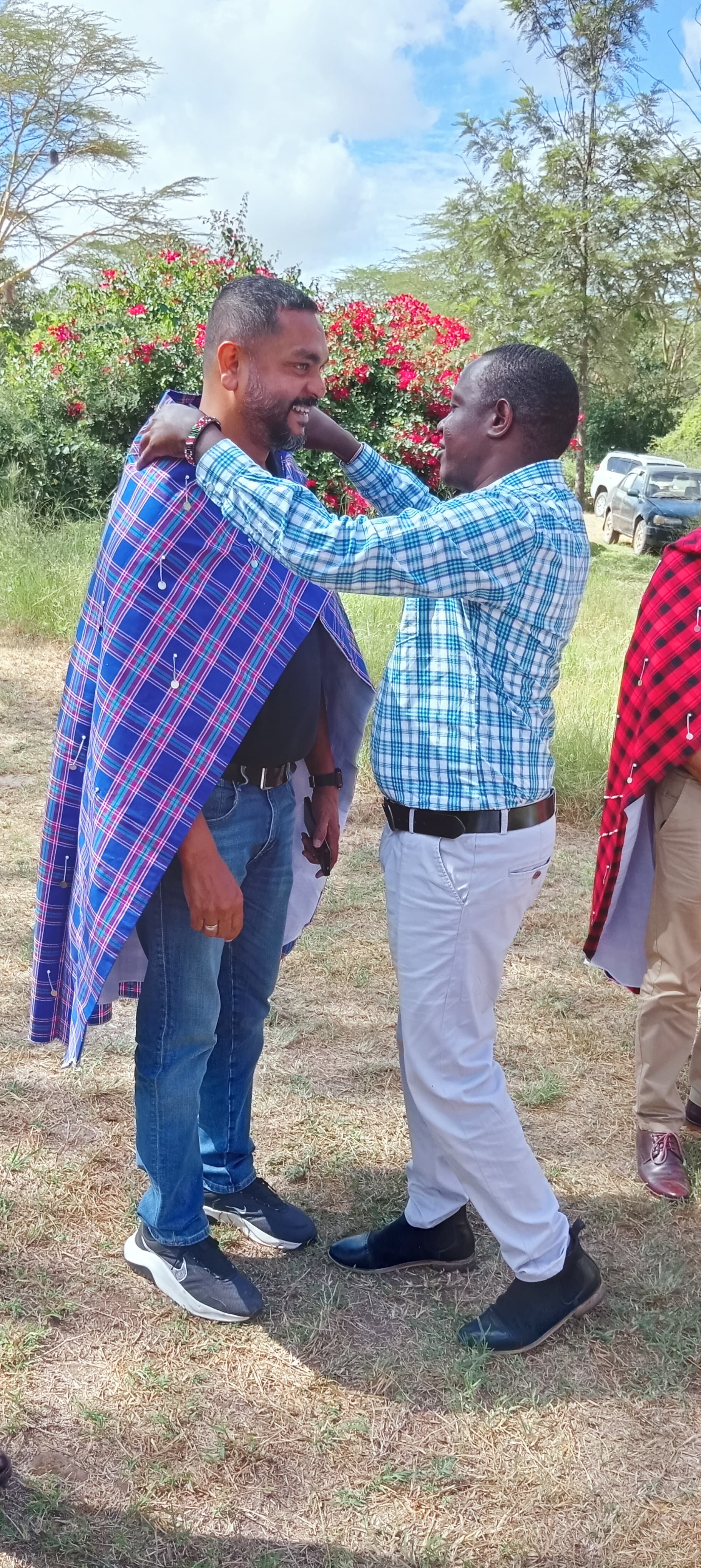
Strengthening Community Ties: MAS Intimates CEO Visits Naretunoi Conservancy and Empakasi Primary School On May 7th 2025, Naretunoi Conservancy had the honor of hosting Mr. Rajiv, CEO of MAS Intimates, during a special visit that highlighted the power of partnership in conservation and community development. Mr. Rajiv’s visit was centered on engaging with the local lease beneficiaries—landowners whose commitment to conservation through leasing their land plays a vital role in protecting the unique biodiversity of the Athi-Kapiti ecosystem. The visit was not only a show of appreciation but also an opportunity to deepen dialogue on sustainable land use and shared benefits from conservation efforts. A key highlight of the day was a stop at Empakasi Primary School, where MAS Intimates recently funded critical renovations. Mr. Rajiv toured the school compound, interacted with students and staff, and witnessed firsthand the positive changes brought about by the improvements. The renovated facilities now offer a more conducive learning environment, a boost to both morale and academic potential. The CEO's visit reaffirmed MAS Intimates' commitment to investing in both people and planet. Through continued support for education and conservation, the company exemplifies a business model where environmental stewardship and community well-being go hand in hand. We extend our sincere gratitude to Mr. Rajiv and MAS Intimates for their unwavering support and look forward to growing this impactful partnership.

Restoring Dignity and Comfort
Jan 09
news

Restoring Dignity and Comfort

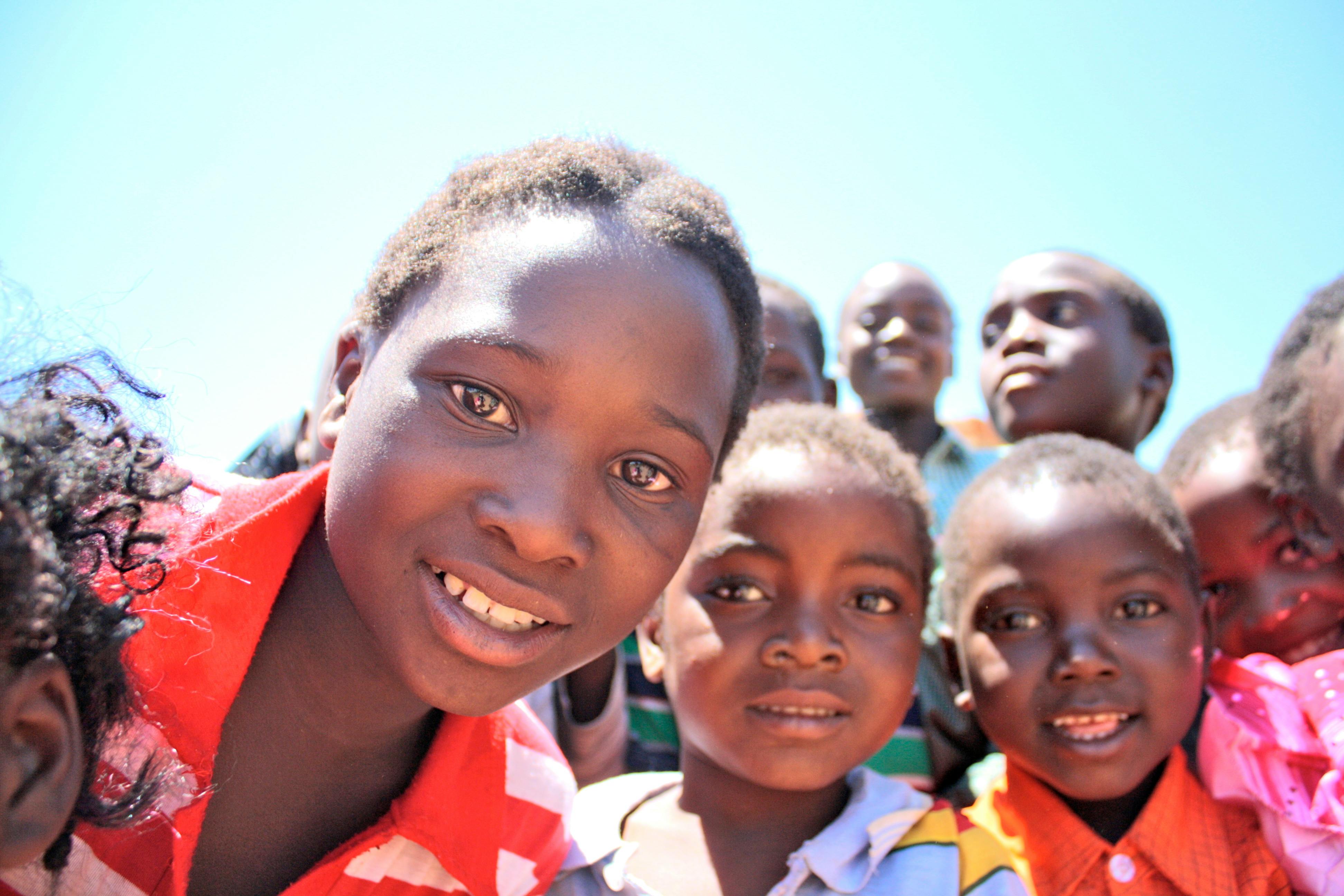
Restoring Dignity and Comfort: The Wildlife Foundation Partners with Sleeping Children Around the World and Nairobi Rotary Club to Support School PupilsThe Wildlife Foundation (TWF), in collaboration with Sleeping Children Around the World (SCAW) and the Rotary Club of Nairobi, has launched a transformative initiative aimed at supporting the basic needs of school-going children in the Athi-Kapiti ecosystem. Through this impactful partnership, school pupils received high-quality mattresses and personal hygiene kits designed to enhance their comfort, health, and dignity.Many children living in communities bordering conservation areas face daily challenges that extend beyond the classroom. Lack of proper bedding and limited access to hygiene supplies can negatively affect their school performance, self-esteem, and overall well-being. Recognizing this, the three organizations united their efforts to bring practical solutions directly to the children who need them most.“Conservation must include community care,” said Nkamunu Patita, a representative of The Wildlife Foundation. “These children are the future custodians of our environment. Supporting their health and education is an investment in both people and the planet.”The distributed hygiene kits include essentials such as soap, toothbrushes, toothpaste, sanitary products, and washcloths — empowering pupils to take care of their personal hygiene with pride. Meanwhile, the mattresses offer a much-needed upgrade to the sleeping conditions for many children, helping them rest better and attend school more alert and ready to learn.Sleeping Children Around the World, a Canadian charity that has provided over 1.7 million bedkits globally since 1970, continues to demonstrate the power of compassion and international solidarity. With the Rotary Club of Nairobi providing logistical and on-the-ground support, and TWF offering vital local insight and coordination, the initiative has reached children who might otherwise be overlooked.This effort exemplifies the power of partnerships that cross borders and sectors — combining conservation, education, and humanitarian support to build stronger, healthier communities.

Wildlife Dispatch System Swipe to Explore

Our Ecosystem

Trusted by Global Partners

Kenya Wildlife Service
Giraffe Centre
KWCA
GCF

Become a Conservation Partner

We collaborate with organizations that share our vision for a sustainable future for wildlife and communities in the Athi-Kaputiei ecosystem.

Inquire for Partnership